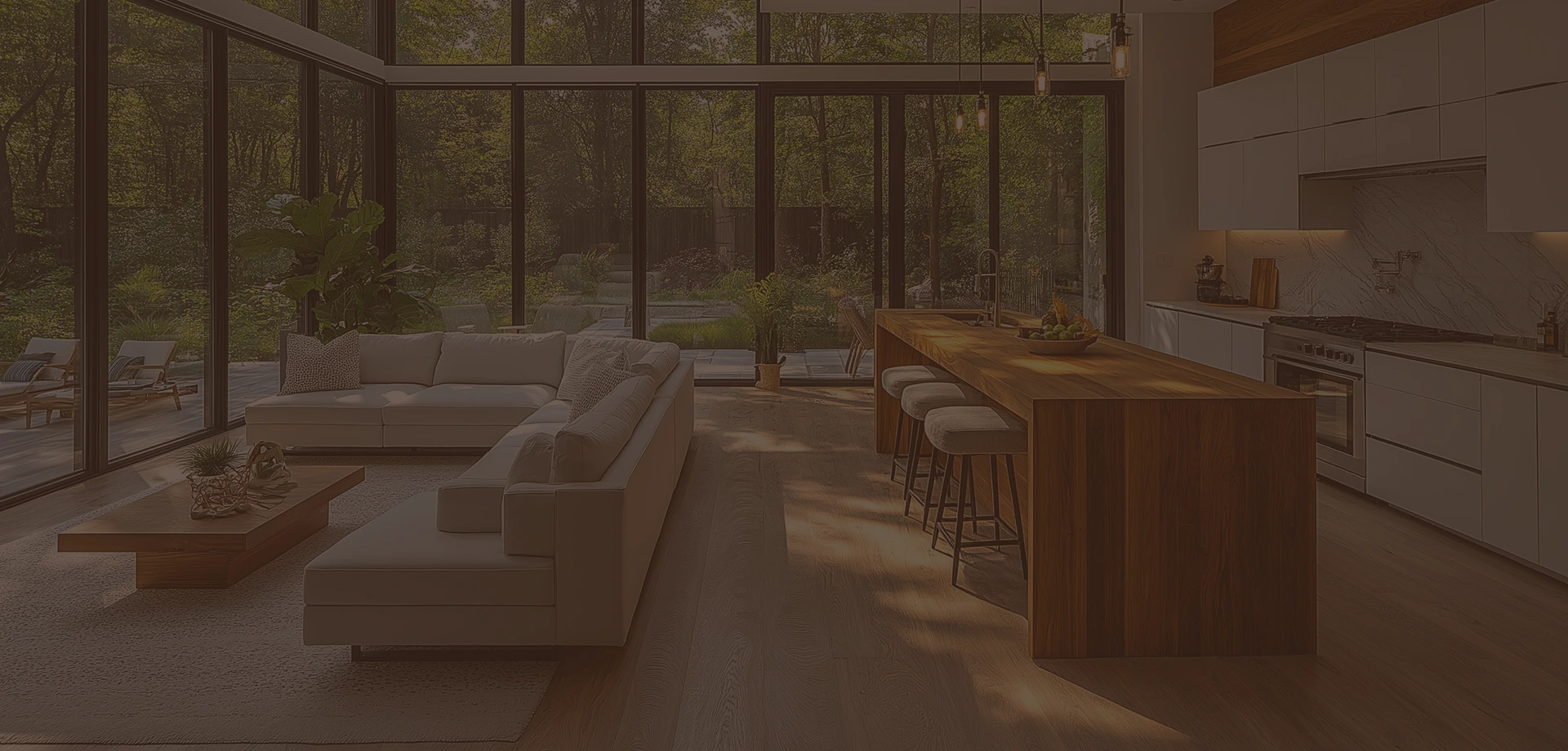
Modern living concepts
Harmonizing functionality and aesthetics in home design
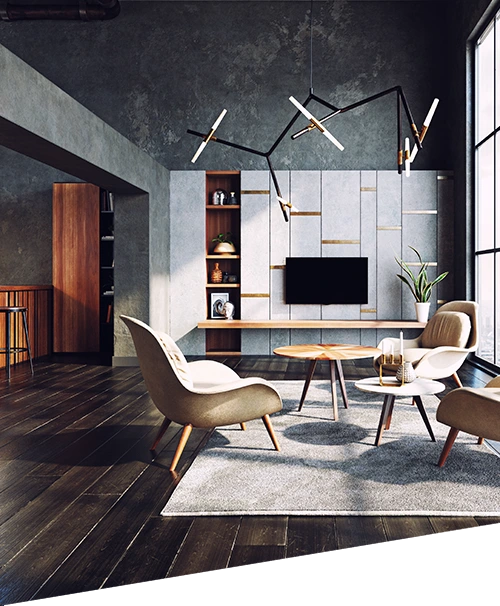

Curated design elements
Spatial flow optimization
Mastering spatial layouts for enhanced comfort and utility

Open-plan arrangements maximize natural light penetration while maintaining distinct zones for relaxation, dining, and remote work without relying on permanent walls.

Strategic color palettes define the room’s atmosphere
Vertical storage solutions clear valuable floor space
Traffic flow improves through intuitive furniture placement
Design principle integration
Selecting furniture that balances style and ergonomics
Choosing the right pieces involves analyzing scale and proportion relative to room size. Modular sofas offer flexibility for evolving needs, while statement armchairs serve as focal points that anchor the visual weight of the entire living area.
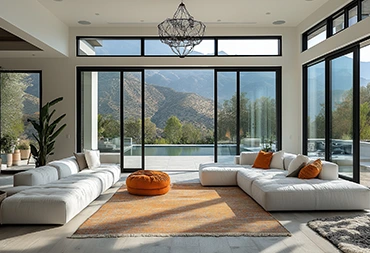

Modular seating systems
Configurable sections adapt to social gatherings or intimate family evenings, providing versatile arrangements without sacrificing aesthetic coherence.
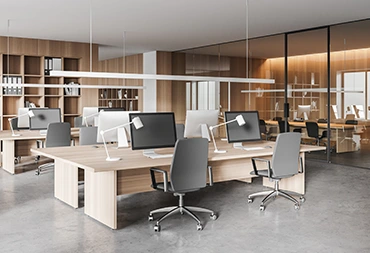

Ergonomic workspace
Adjustable standing desks and lumbar-support chairs blend seamlessly into modern interiors to support postural comfort during home office hours.

Textural accent pieces
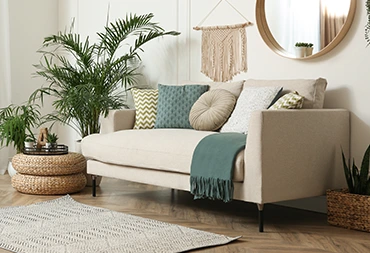
Velvet cushions, woven rugs, and ceramic artifacts introduce layers of tactile warmth to otherwise minimalist architectural lines.
Atmospheric lighting layers
Crafting mood through strategic illumination and shadow play
Dimmable recessed LEDs provide a base layer of general brightness, ensuring visibility for daily tasks. In contrast, pendant fixtures suspended over dining tables create intimate zones, drawing the eye downward and fostering social connection during evening meals.
Accent lighting highlights architectural details like exposed brick or artwork, adding depth to the room. Smart lighting systems allow residents to adjust the color temperature, shifting from energizing cool daylight tones to relaxing warm hues.
Exterior visual continuity
Structural renovation techniques for long-term value assessment
Knocking down non-load-bearing walls creates a sense of airiness, immediately modernizing older properties. Upgrading insulation materials during wall reconstruction significantly reduces thermal bridging, leading to lower energy consumption and a more consistent internal climate year-round.
Sustainable material sourcing
Integrating natural elements into architectural hardscaping plans
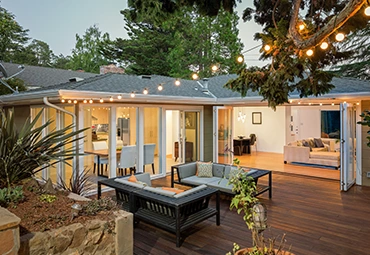
Natural stone flooring connects indoor living areas with outdoor patios, blurring the boundaries between inside and out. Installing large sliding glass doors frames garden views and strengthens this visual connection with the changing seasons.

Composite decking resists weathering and reduces maintenance
Retaining walls create usable tiers on slopes
Permeable pavers manage rainwater runoff efficiently
Native plant selection minimizes irrigation needs while supporting local biodiversity through pollinator-friendly flower beds.
Strategic tree planting provides natural shade for south-facing facades, passively cooling the home interior during peak summer heat.

Designing outdoor sanctuaries for relaxation and entertainment
A well-planned terrace extends the living space, acting as an open-air lounge. Weather-resistant upholstery ensures durability against the elements, while fire pits serve as communal gathering spots that extend the usability of the garden through cooler autumn months.
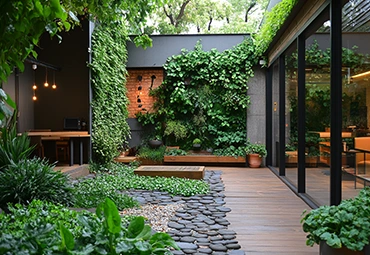
Acoustic privacy in urban gardens can be achieved through water features, where the sound of trickling water masks street noise. Vertical gardens on perimeter fences maximize greenery in compact spaces without consuming floor space. Installing pergola structures with adjustable louvers offers control over sunlight exposure, allowing homeowners to enjoy their outdoor kitchens or reading nooks regardless of the sun’s intensity.
Innovative materials for durability and aesthetic appeal
Smart home foundations
Orchestrating intelligent living systems with seamless control

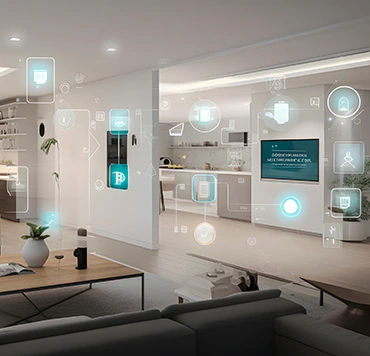
Planning an automated home ecosystem
Connecting devices and smart networks